The Essential Phuket Travel Guide
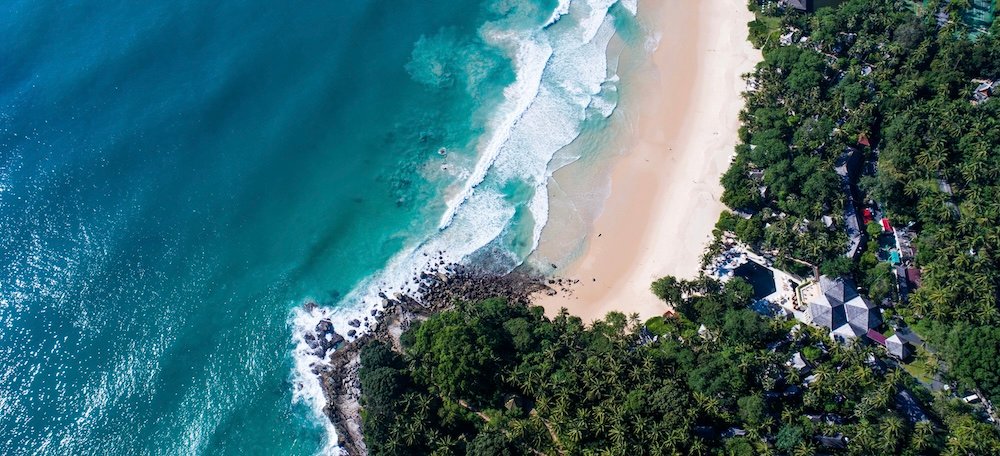
A practical, no‑hype introduction to Phuket – Thailand’s most famous island destination. This one‑page guide is designed to help you understand what Phuket is like, where to base yourself, how to get around, and what to prioritise, whether you’re visiting for a short holiday or planning a longer stay.
Phuket can be many things at once: a beach escape, a nightlife hub, a family resort island, a jumping‑off point for island hopping, or a relaxed long‑stay base. The key is choosing the right area and travel style – this guide will help you do exactly that.
1. Why Visit Phuket?
Located in southern Thailand on the Andaman Sea, Phuket is the country’s largest island and one of Southeast Asia’s most established holiday destinations. It offers a wide mix of experiences: palm‑fringed beaches, dramatic coastal scenery, lively resort towns, quieter villages, cultural sites, and easy access to some of Thailand’s most beautiful offshore islands.
Phuket suits:
- First‑time visitors to Thailand
- Beach‑focused holidays
- Families and couples
- Travellers who want comfort and choice
- Short holidays as well as longer winter stays
It is more developed than most Thai islands, which brings convenience, variety and strong infrastructure, but also crowds in peak areas and seasons.
2. Getting to Phuket
By Air
Phuket International Airport (HKT) is one of Thailand’s busiest airports, with frequent domestic flights from Bangkok, Chiang Mai and other cities, as well as many direct international connections.
Flying is by far the easiest and most common way to reach the island.
By Road
It is also possible to reach Phuket by bus or car from Bangkok or other southern provinces via the Sarasin Bridge, which connects the island to the mainland. This option is slower but can suit travellers already exploring southern Thailand.
3. From the Airport to Your Accommodation
Phuket Airport is located in the north of the island. Transfer times depend heavily on where you are staying.
Common transport options include:
- Airport taxis and pre‑booked transfers
- Rideshare apps like Grab and Bolt (availability varies by area)
- Airport buses to Phuket Town and some beach areas
As distances can be long and traffic heavy at peak times, many visitors prefer to arrange airport transfers in advance – especially for late arrivals.
4. Getting Around Phuket
Phuket is large, hilly and spread out. Getting around is less straightforward than in Bangkok or Chiang Mai, so planning matters.
Transport Options
- Rental cars or motorbikes: Flexible, but traffic can be busy and roads winding. Riding motorbikes in Thailand can be dangerous and is often better avoided.
- Taxis, Bolt, Grab and private drivers: Widely used, but fares are higher than in many parts of Thailand.
- Songthaews (local buses): Connect Phuket Town with major beaches, but routes are limited and slow.
- Tours and transfers: Common for island hopping and day trips.
Practical Tip
If you want to explore multiple beaches or stay outside major resort areas, having private transport (car, driver, or organised tours) makes Phuket far more enjoyable.
5. Where to Stay – Understanding Phuket’s Areas
Phuket does not have a single centre. Where you stay will strongly shape your experience.
Patong
The busiest and most energetic area. Known for nightlife, shopping and a long central beach.
- Best for nightlife and convenience
- Busy, noisy and crowded in peak season
Kata & Karon
Popular beach areas south of Patong with a more relaxed feel.
- Good for families and couples
- Nice beaches, good facilities, calmer evenings
Kamala & Surin
Quieter west‑coast beaches with a more upmarket, laid‑back atmosphere.
- Boutique hotels and resorts
- Slower pace, scenic settings
Bang Tao & Laguna
Resort‑focused area with long beaches and large hotel complexes.
- Good for longer stays and families
- Less walkable, more resort‑centric
Phuket Town
The island’s cultural and administrative centre.
- Best for local life, food and old‑town charm
- Not a beach base, but excellent for short stays or deeper exploration
6. Best Time to Visit Phuket
Phuket has a tropical climate with two main seasons:
- Dry season (roughly November to April): Calmer seas, sunny weather and peak travel demand. This is the most popular — and most expensive — time to visit.
- Wet season (roughly May to October): Hot, humid weather with regular rainfall. Sea conditions can be rougher, particularly on west‑coast beaches, but prices are lower and crowds thinner.
Phuket remains a year‑round destination, but beach conditions and boating schedules vary significantly by season.
7. Things to See & Do in Phuket
Beaches
Phuket is best known for its beaches, which range from lively and developed to quiet and scenic. Exploring more than one beach is highly recommended.
Island Hopping & Boat Trips
Phuket is a major base for day trips to nearby islands, lagoons and marine parks. Many visitors plan at least one boat excursion during their stay.
Old Phuket Town
Colourful Sino‑Portuguese buildings, cafés, markets and temples give Phuket Town a distinct character and cultural depth beyond the beaches.
Viewpoints & Nature
Hilltop viewpoints, coastal walks and inland nature areas offer a break from resort life and showcase Phuket’s varied landscape.
Wellness & Relaxation
Spas, massage, yoga studios and wellness‑focused resorts are widespread across the island.
8. Food, Drink & Nightlife
Phuket has one of Thailand’s most diverse dining scenes.
- Local food: Southern Thai cuisine is bold and spicy, with seafood playing a major role.
- Casual dining: Beachfront restaurants, cafés and night markets are common.
- International options: Wide choice due to Phuket’s long‑standing tourism industry.
Nightlife ranges from lively entertainment districts to relaxed beach bars and sunset lounges, depending on location.
9. Practical Tips for Visiting Phuket
- Distances matter: Phuket looks small on a map but travel times can be long.
- Traffic: Expect congestion around Patong, Phuket Town and major junctions.
- Safety: Swim only at lifeguarded beaches during monsoon season; heed warning flags.
- Cash & cards: ATMs are widespread; cards accepted at most hotels and larger restaurants.
- Dress & etiquette: Casual resort wear is fine, but dress modestly when visiting temples or local neighbourhoods.
10. Frequently Asked Questions
Is Phuket good for first‑time visitors to Thailand?
Yes. Phuket offers strong infrastructure, accommodation choice and easy transport, making it a comfortable introduction to Thailand.
Is Phuket only about nightlife?
No. While some areas are lively, many parts of the island are quiet, scenic and family‑friendly.
How long should I stay in Phuket?
Three to five days suits most first‑time visitors. Longer stays allow time to explore multiple areas and nearby islands.
Is it better to stay near the beach or in Phuket Town?
Beach areas suit classic holidays; Phuket Town is better for culture, food and shorter stays.
Can I explore Phuket without renting a car or motorbike?
Yes, but transport planning becomes more important. Taxis, tours and transfers are commonly used.
11. Planning Your Stay
Phuket rewards visitors who plan around location, season and expectations. Choose your base carefully, allow time for travel, and mix beach time with cultural and natural experiences.
This guide is intended as a clear overview to help you understand Phuket before diving deeper into specific areas, activities or travel styles.
Welcome to Phuket – and enjoy discovering the island at your own pace.